Downdraft Shuttle Kiln Design
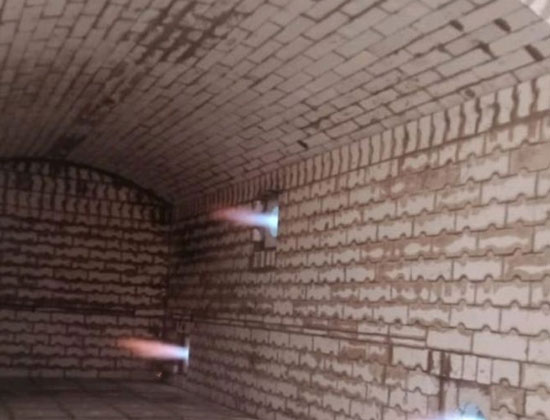
A downdraft shuttle kiln is designed to circulate heat downward through the kiln chamber before exiting through the flue system. This airflow pattern helps ensure uniform temperature distribution throughout the kiln, which is essential for consistent firing of ceramic products.
The shuttle kiln configuration also includes a movable kiln car, allowing materials to be loaded outside the kiln and then moved inside the chamber for firing.
Key advantages include:
- uniform temperature distribution throughout the kiln
- efficient loading and unloading with kiln cars
- suitability for large ceramic loads
- improved operational efficiency
These kilns are widely used in industrial ceramic manufacturing.
Recrystallized Silicon Carbide Burner Tubes
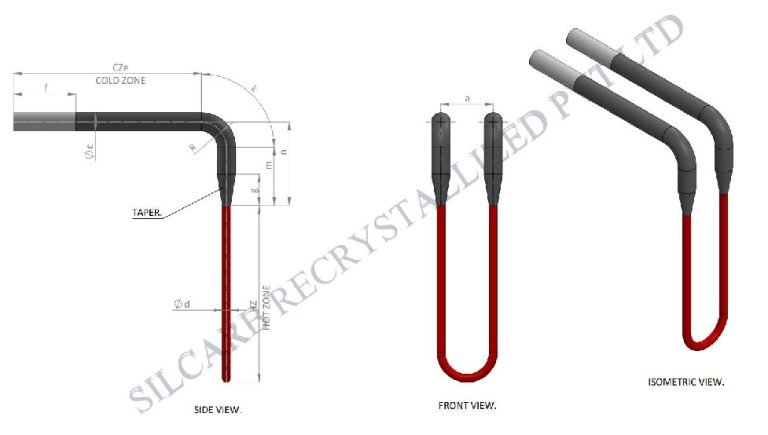
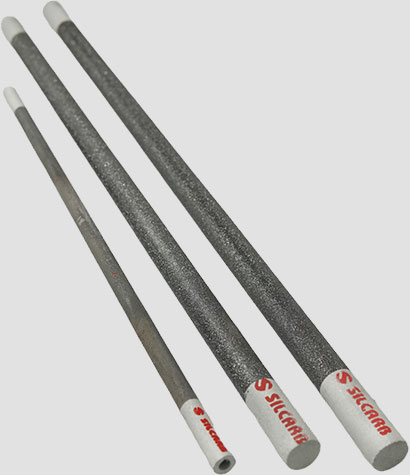
The kiln uses recrystallized silicon carbide (RSiC) burner tubes, which are well known for their excellent high-temperature performance and durability in combustion environments.
Advantages of RSiC burner tubes include:
- exceptional high-temperature resistance
- superior thermal shock resistance
- long service life under furnace conditions
- resistance to oxidation and thermal cycling
These properties allow burner systems to operate reliably in kilns reaching temperatures above 1600°C.
Partial Recuperation for Improved Efficiency
The kiln is equipped with a partial recuperation system, which improves fuel efficiency by recovering heat from exhaust gases and using it to preheat incoming combustion air.
Benefits of recuperation systems include:
- reduced fuel consumption
- improved combustion efficiency
- lower operating costs
- improved environmental performance
Heat recovery technologies are increasingly important in modern furnace systems to improve overall energy efficiency.
Applications of High Temperature Shuttle Kilns
Kilns operating in the 1600°C temperature range are used across industries requiring advanced ceramic and high-temperature processing.
Typical applications include:
- advanced ceramic component firing
- refractory manufacturing
- technical ceramic production
- research and development laboratories
- specialty materials processing
Reliable kiln performance is essential for maintaining consistent product quality.
Silcarb’s Expertise in Kiln and Furnace Engineering
Silcarb designs and manufactures a wide range of industrial kiln and furnace systems, including:
- downdraft shuttle kilns
- high temperature ceramic kilns
- sintering furnaces for advanced ceramics
- aluminium melting furnaces
- research furnaces for materials development
- customized furnace systems for industrial applications
Each system is engineered for high thermal efficiency, durability, and reliable operation.