Rapid Quenching for Defence Applications
Quenching is a critical heat treatment process used to rapidly cool metal components after heating them to high temperatures. In defence manufacturing, controlled quenching processes are used to enhance the strength, hardness, and durability of specialized alloys used in ammunition and other high-performance components.
Rapid quenching from temperatures as high as 1300°C ensures the formation of the required metallurgical structure necessary for demanding defence applications.
Typical benefits of rapid quenching include:
- improved mechanical strength
- enhanced hardness and wear resistance
- controlled metallurgical microstructure
- improved performance under extreme operating conditions
Such processes require highly engineered furnace and quenching systems to ensure consistency and reliability.
Precision Engineering for High Temperature Heat Treatment
Developing systems capable of handling extremely high temperatures and rapid cooling requires careful engineering and precise process control. The ability to transfer components from the heating chamber to the quench medium within seconds is critical to achieving the required material properties.
Key engineering aspects include:
- high temperature furnace capability up to 1300°C
- rapid transfer systems for immediate quenching
- controlled heat treatment cycles
- reliable mechanical handling systems
- strict quality and inspection standards
Meeting these requirements ensures that the final components achieve the necessary metallurgical properties for defence use.
Quality Assurance and Inspection
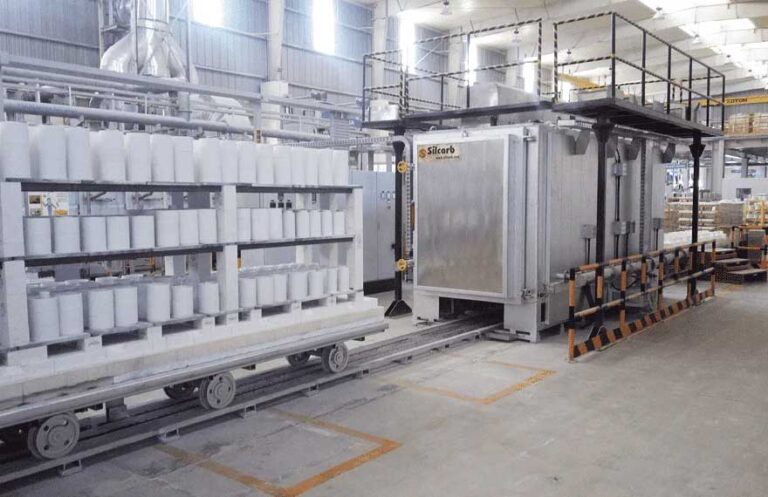
Before dispatch, the system underwent detailed inspection and testing at the Silcarb facility to verify performance under operational conditions. Defence-related equipment typically requires stringent inspection procedures to ensure reliability, performance, and compliance with technical specifications.
The successful inspection demonstrates Silcarb’s capability to deliver precision-engineered thermal processing systems for high-specification industrial and defence applications.
Silcarb’s Expertise in Specialized Heat Treatment Systems
Silcarb designs and manufactures a wide range of industrial furnaces and high-temperature processing systems, including:
- heat treatment furnaces
- quenching furnaces and systems
- aluminium melting furnaces
- high temperature research furnaces
- ceramic sintering furnaces
- custom engineered furnace solutions for defence and aerospace applications
These systems are designed to meet demanding operational requirements while ensuring reliability and consistent performance.