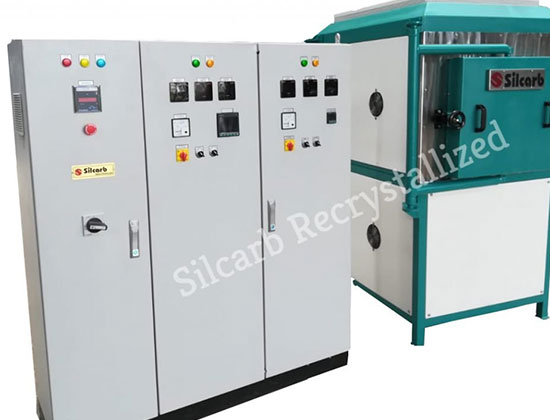
The furnace is manufactured using ultra lightweight refractory thereby reducing both the energy consumed for sintering and also reducing the surface load on the heaters.
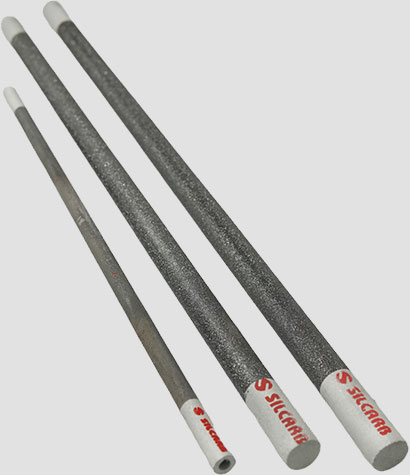
The expected life of these MoSi₂ heaters manufactured by Silcarb is in excess of three years of continuous operation.
The furnace is rated for 1800 degrees C and operating every cycle at 1750 degrees C with a soaking time of 12 hours at these elevated temperatures. Owing to the ultra lightweight refractory a very high ramp up is possible when required.
Inner chamber of the double door furnace
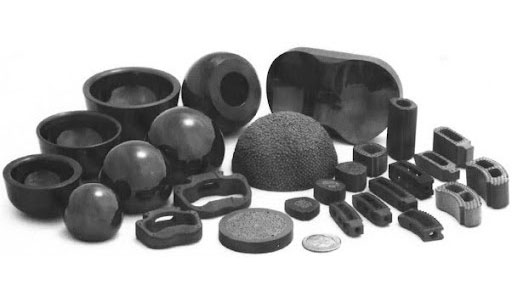
Sintering of Zirconia Inserts
Zirconia is a high-performance ceramic material known for its exceptional strength, thermal resistance, and wear resistance. To achieve these properties, zirconia components must undergo sintering at extremely high temperatures.
During sintering, the ceramic material is heated to temperatures close to its melting point, allowing particles to bond together and form a dense, durable structure.
Applications of zirconia inserts include:
- cutting tools
- wear-resistant industrial components
- medical and dental ceramics
- precision engineering parts
- advanced ceramic tooling
High temperature sintering furnaces are essential to ensure consistent microstructure and mechanical performance of zirconia components.
Double Door Furnace Design
The double door configuration allows materials to be loaded and unloaded from either side of the furnace chamber. This design improves operational flexibility and reduces handling time, particularly in production environments where large batches of components are processed.
Advantages include:
- easier loading and unloading operations
- improved workflow in production environments
- better accessibility to the furnace chamber
- increased operational efficiency
Such furnace designs are often used in facilities where continuous production cycles are required.
Ultra Lightweight Refractory Construction
The furnace is built using ultra lightweight refractory insulation materials, which significantly reduce thermal mass and improve energy efficiency.
Benefits of lightweight refractory systems include:
- reduced energy consumption during heating cycles
- faster ramp-up rates when required
- lower thermal load on heating elements
- improved temperature stability inside the furnace chamber
These advantages help reduce operating costs while maintaining reliable furnace performance.
Long Life MoSi₂ Heating Elements
The furnace uses MoSi₂ heating elements manufactured by Silcarb, designed for continuous operation in high temperature environments.
These heating elements offer:
- excellent oxidation resistance
- stable performance at temperatures approaching 1800°C
- long service life in demanding sintering applications
- reliable heating during extended soak cycles
The expected service life of these heating elements exceeds three years of continuous operation under normal working conditions.
Silcarb’s Expertise in High Temperature Sintering Furnaces
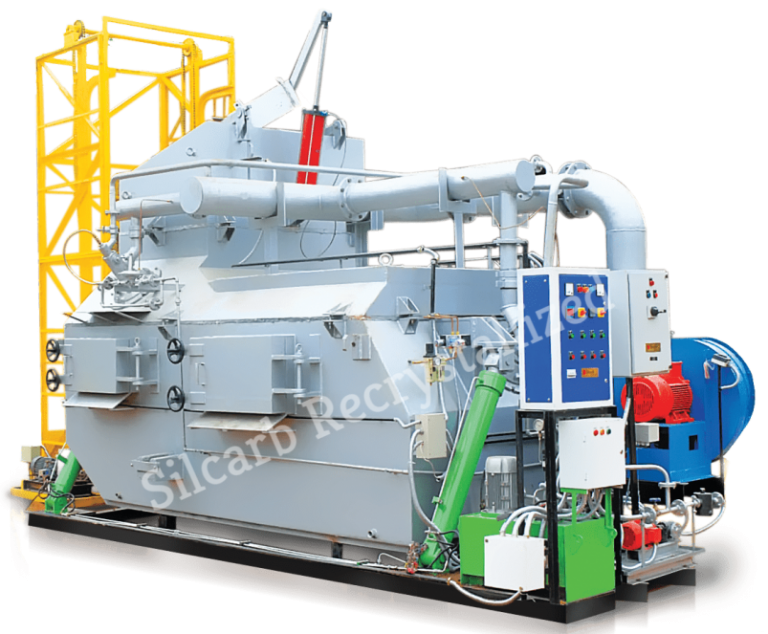
Silcarb designs and manufactures a wide range of high temperature furnace systems for advanced materials processing, including:
- ceramic sintering furnaces
- MoSi₂ heated high temperature furnaces
- aluminium melting furnaces
- research furnaces for advanced materials
- bright annealing furnaces
- customized industrial furnace systems
Each system is engineered to deliver high thermal efficiency, reliable operation, and long service life in demanding industrial applications.