Simulating Real Fire Conditions
Fire testing furnaces are designed to recreate the conditions experienced during real building fires. In such scenarios, temperatures can rise rapidly, placing extreme thermal stress on building materials such as structural walls, insulation systems, and glass windows.
The explosion test furnace developed for IIT Gujarat enables researchers to simulate these conditions by generating:
- rapid temperature rise up to 1200°C
- high pressure conditions within the furnace chamber
- controlled fire exposure for structural testing
- real-time observation of material behavior
This allows engineers and researchers to analyze how different materials respond to fire exposure and structural stress.
Importance of Fire Resistance Testing
Fire resistance testing is essential in evaluating the safety and reliability of materials used in modern buildings. Testing under controlled furnace conditions helps determine how materials perform when exposed to extreme heat, sudden temperature changes, and pressure build-up during fire incidents.
Materials commonly tested include:
- architectural glass panels
- fire-resistant walls and partitions
- insulation systems
- composite building materials
- structural construction materials
Such research contributes to improving building safety standards and designing structures that can better withstand fire events.
Engineering Challenges in Explosion Testing Furnaces
Designing a furnace capable of simulating explosion and fire conditions requires careful engineering to ensure both performance and safety. The system must be able to generate high temperatures rapidly while managing pressure levels and maintaining structural integrity.
Key engineering considerations include:
- high-performance refractory insulation
- rapid heat generation capability
- safe containment of high temperatures and pressure
- efficient exhaust and flue gas evacuation
- reliable monitoring and control systems
This project required specialized design and engineering expertise to meet the unique testing requirements.
Silcarb’s Expertise in Specialized Research Furnaces
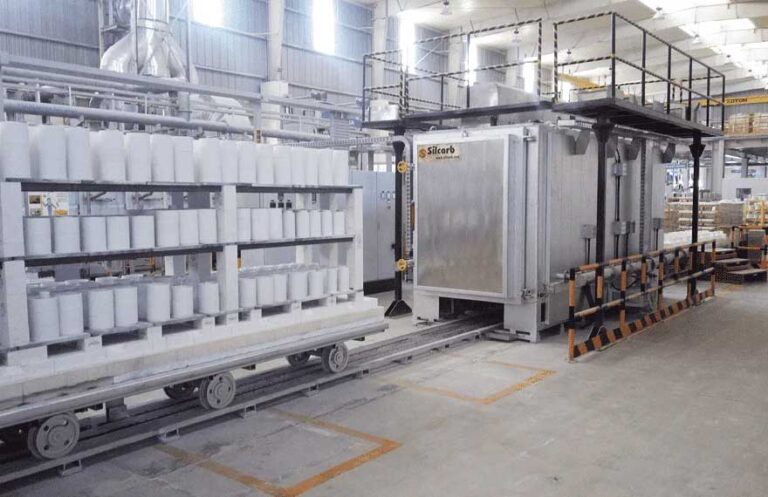
Silcarb designs and manufactures a wide range of custom industrial and research furnaces for demanding applications, including:
- explosion and fire testing furnaces
- high temperature research furnaces
- aluminium melting furnaces
- carbon fiber processing furnaces
- vacuum furnaces
- customized industrial furnace systems
These furnace systems are used by research institutions, universities, testing laboratories, and industrial manufacturers.